

Star Wars: The Last Jedi gave viewers a few surprises with Rey, Snoke, and the return of an iconic character. But it was the film’s end that delivered one of its most unexpected shocks. What happened to the beloved Luke Skywalker, Jedi Knight?
Now that Rian Johnson is premiering his third film in the Knives Out series, a franchise that has been positively received by both critics and audiences alike, it would seem that he’s firmly moved on from Star Wars: The Last Jedi. The was a unique spot on his resume and has collected positive and negative reviews from critics and fans worldwide. Yet, some fans still want answers to serious questions after all these years.
The veteran writer and director recently reflected on why it was a different time for him as a director, and his thoughts on how people perceive the film in a recent profile by The Hollywood Reporter. But before we get into that, let’s look at what made The Last Jedi widely unpopular by some.

In The Last Jedi, director Rian Johnson broke with the traditional version of the swashbuckling Jedi Knight named Luke Skywalker and created one that fans couldn’t have possibly imagined. The Luke Skywalker that fans had endlessly waited years for: the one with the black outfit, the green lightsaber, and the Jedi swagger was erased from existence.
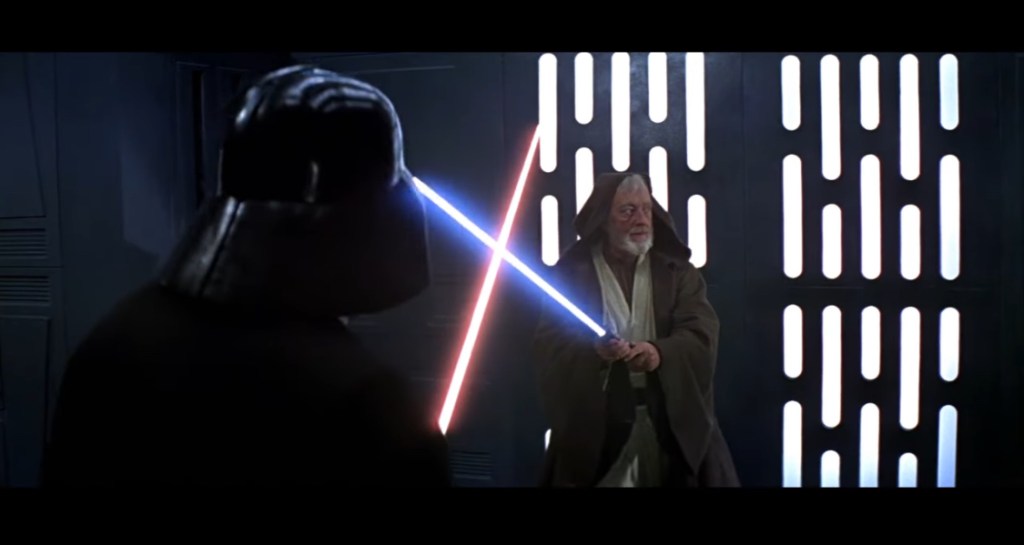
Scene from the 1977 classic film Star Wars. Image courtesy of Lucasfilm.
I am a Jedi
The original blockbuster 1977’ blockbuster Star Wars film focused on the story of young boy named Luke Skywalker who learns the ways of the Force from Jedi Masters Obi-Wan Kenobi and Yoda. Luke’s journey took him from the desert planet of Tatooine, where he was forced to leave the simple farm life after the Empire’s stormtrooper army killed his aunt and uncle. Shortly after, Luke would began training as a Jedi with Master Obi-Wan Kenobi and helped the Rebels take down the Death Star in the Battle of Yavin.
Then in Star Wars: The Empire Strikes Back, Luke continued his Jedi training with Master Yoda on the planet Dagobah and learned that the Empire’s most powerful villain, Darth Vader, was his father. By the end of his training in Star Wars: Return of the Jedi, Luke became a Jedi and said the phrase, “I am a Jedi, like my father before me.” He defied and took down the Emperor of the Galaxy, redeeming his fallen father, Anakin Skywalker, and became one of the greatest Jedi ever.
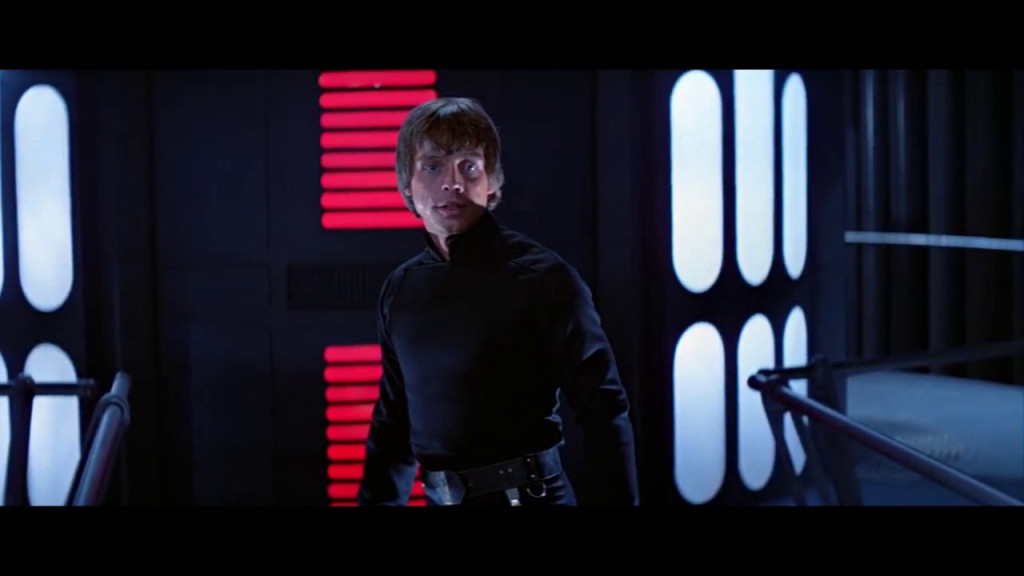
Mark Hamill in Star Wars Episode VI: Return of the Jedi” (1983). Image courtesy of Lucasfilm
The phrase “I am a Jedi, like my father before me” is arguably one of the most iconic lines ever uttered in the history of film. Luke says this to the Emperor during their confrontation, right before he refuses to turn to the dark side, throwing his lightsaber aside and saying he will “Never. I’ll never turn to the dark side,” and that the Emperor has failed. It’s one of the most powerful confrontations and one that cements the Jedi’s return and ends the Sith Lords Reign of terror.

George Lucas and Bob Iger formally signing documents for the sale of Lucasfilm. Image courtesy of Variety Magazine
A Legend Says Goodbye
Unfortunately, for many fans, Luke Skywalker’s return in Star Wars: The Last Jedi is disliked and hated due to a variety of controversial choices, most notably the portrayal of Luke as a jaded hermit that is, to some, a subversion of the established fanboy lore and the Jedi everyone once knew. Other fans see his return as genuinely good and one that pushes his story forward and provides a meaningful return.
Of course, I don’t want to get into a heated debate on whether or not it was a good idea to bring back Luke as a disillusioned, broken, guilt-ridden, and saddened by failure to save his young apprentice, and one who would initially refuse to help the Resistance and the burgeoning Force user, Rey (Daisy Ridley), as he felt the Jedi had led to more destruction and evil in the galaxy. No, that debate will never be put to rest and is one that taints the franchise to this day. Yes, some will argue that the idea of Luke being a hermit who trains a young apprentice was George Lucas’s own vision. The problem lies in how much of it really was?
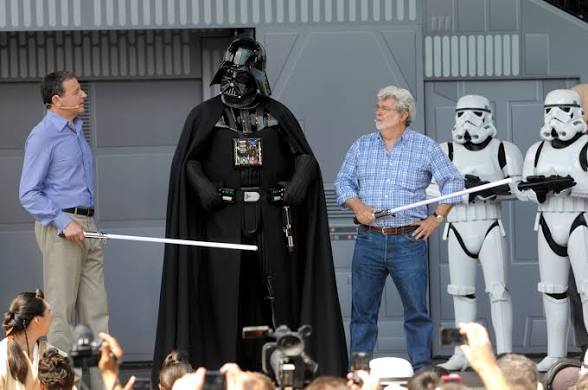
Image courtesy of NBC Television
In October 2012, George Lucas sold Lucas’s Lucasfilm Ltd and its “Star Wars” franchise for $4.05 billion in a deal that included the surprise promise of a new film. In a statement on the week of the sale via Buzzfeed, Lucas said: “It’s now time for me to pass ‘Star Wars’ on to a new generation of filmmakers.”
On that cold and bitter day, many said goodbye to their favorite Jedi, Luke Skywalker, as he vanished forever, at least on film.
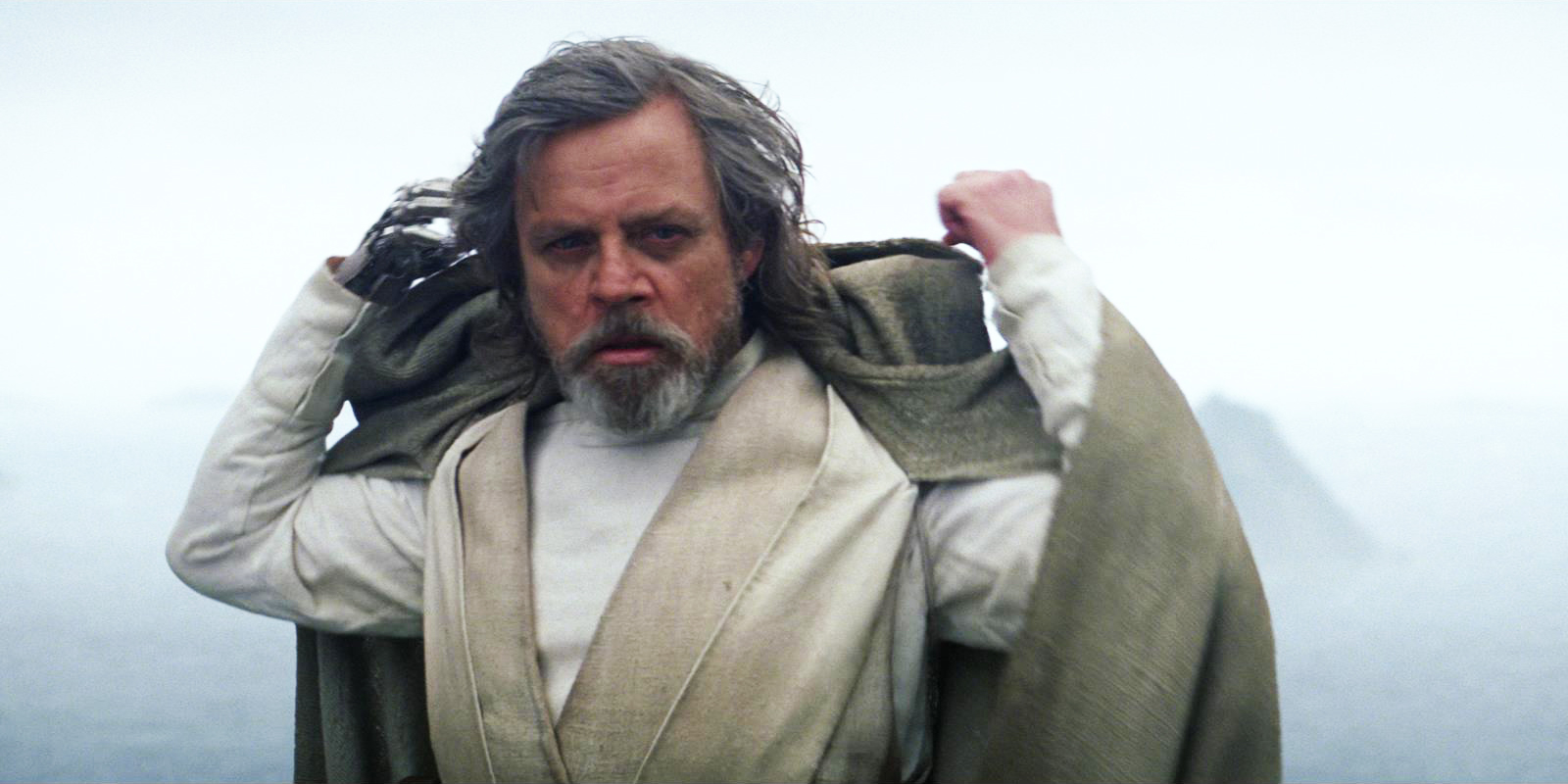
Old Luke Skywalker in Star Wars: The Last Jedi. Image courtesy of Lucasfilm
Fast-forward to 2015. Disney finally gifted fans with a brand new protagonist in the blockbuster film release of Star Wars: The Force Awakens. The character of Rey, a young scavenger who lived on the planet Jakku. Ridley delivered an excellent performance, but fans could hardly sit through the end credits because all they could think about was the amount of screen time Luke had in this film. Some had waited for decades to see what happened to Luke Skywalker, their childhood hero. In the end, all they got was a glorified cameo and a character shrouded in the mystery of his demeanor and appearance, which gave fans the illusion he suffered failures and setbacks. This all didn’t sit well with many fans.
Don’t get me wrong, the mystery of Luke in The Force Awakens is just okay and something most could live with. However, fans like me still wanted to know more. What the hell happened to Luke Skywalker?
The Debacle
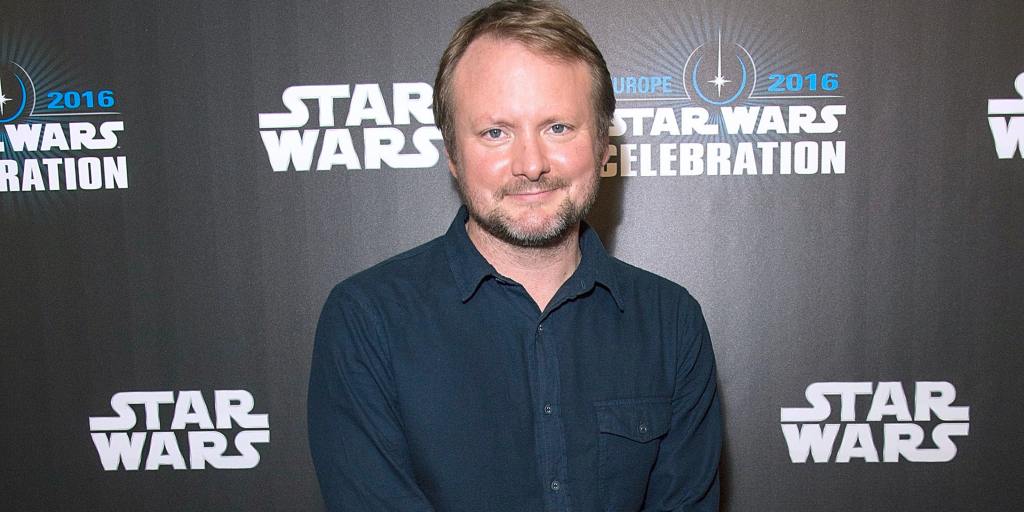
Director Rian Johnson. Image courtesy of Variety Magazine
Enter Johnson, who was given significant creative control over the project and had directed other acclaimed works such as the film Looper and an episode of Breaking Bad. Johnson said he was always devout “fan of Star Wars,” and when he took the job, he aimed to explore the fundamental power of the Star Wars mythos. Did he have too much creative input? What was his plan?
The Last Jedi picks up exactly at the end of The Force Awakens and sends the sequel trilogy into the fiery abyss of hell. The film was everything most fans could not want in a Star Wars film, and then some. Much of the audience spent the entire film wondering where it all went wrong. Rey had finally found the legendary Luke Skywalker, hoping that she could be trained in the ways of the Force. But all we did was learn that Luke was a coward, a failure, and had abandoned his Jedi ways to live a life in exile. Why?

Image courtesy of Lucasfilm
In the film , we found out that his nephew Kylo Ren (Adam Driver) was a pupil of his after the events of Return of the Jedi, may have gone to the Dark Side, and that he forced himself not to murder him. What happened to saving people from the clutches of the Dark Side? How did Luke go from saving his father who had murdered numerous people, to a person that would want to kill his nephew on a hunch he would become like his father? One that tried to reason with his father and said that theres still good in him? So many questions? So many unanswered.
Mark Hamill is on record expressing with how much he disliked how director Rian Johnson portrayed Luke in the film. In an interview with SensaCine, Hamill spoke about how, “He’s not my Luke Skywalker.”
“I said to Rian, I said ‘Jedis don’t give up.’ I mean, even if he had a problem, he would maybe take a year to try and regroup, but if he made a mistake he would try and right that wrong, so right there, we had a fundamental difference, but, it’s not my story anymore,”
It appeared that Johnson had simply ignored the character development that Luke had in the original Star Wars trilogy. He turned him into a cynical old hermit who despised the Jedi and wanted nothing to do with the fight against the galaxy’s new enemy. He was the greatest hero in the history of cinematic storytelling, and he turns him into a whiny little has-been. The Luke fans knew at the end of Return of the Jedi wouldn’t have gone down this path.

Image courtesy of Lucasfilm
By the end of the movie, fans got to see Luke fighting his nephew, who he originally tried to kill, via some sort of an astral force projection. So much promise to his appearance inThe Force Awakens, despite some fans with many questions, all we got was that cranky old wizard who never left the planet of Ahch-To and died on a rock. Let that sink in. He died on a rock! Many fans felt completely and utterly ripped off.

Photo courtesy of Getty Images
In the recent profiled by The Hollywood Reporter series, Johnson looked back on the turbulent era that surrounding his Star Wars chapter.
“We made that movie in this beautiful, fearless little bubble, and the reality is, once you dive in and start doing the creative work, there isn’t a lot of room in your head for the notion of external pressure.” He remembers a time when he had engaged with fans on social media, “Before I made the Star Wars movie, when I was very, very active on Twitter, if someone said anything mean about me, I felt like I had to fix that.” He has since become more selective in his responses, “Having grown up as a Star Wars fan, I think the love and the hate are two sides of the same coin, and it’s all passion for what the thing is. That doesn’t mean it’s easy to deal with when it’s coming at you in a personal way.”
One Last Chance at Redemption
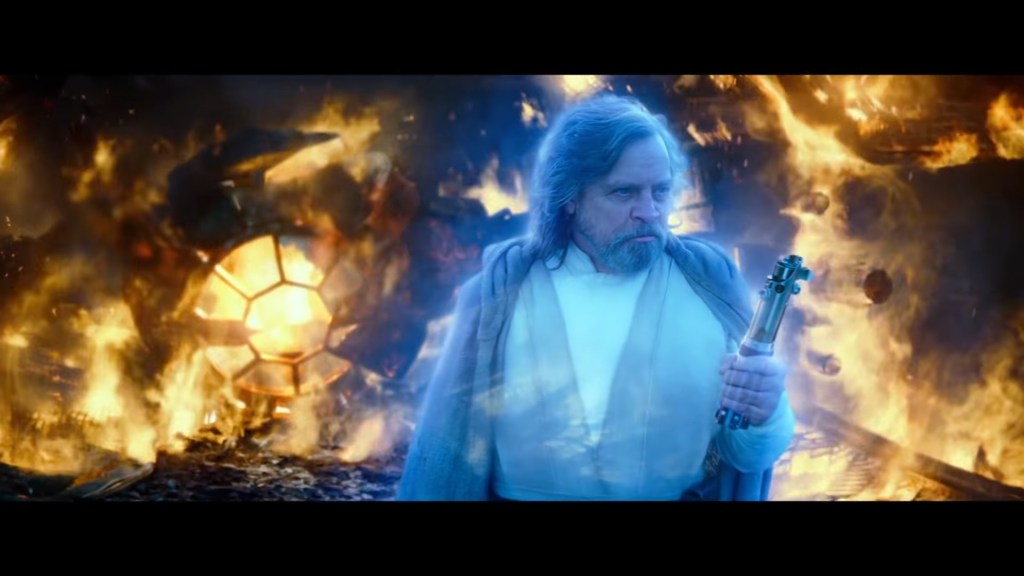
Image courtesy of Lucasfilm
Picking up the baton from Johnson’s film, director J.J. Abrams was been hired to direct Star Wars: The Rise of Skywalker, following the departure of fired Colin Trevorrow and fan backlash over The Last Jedi. Abrams widely denied that his return to the franchise was an attempt to “fix” it following, what some call, the debacle of a film. Most fans believed, though, he was brought back to do just that. Yes,
The Rise of Skywalker is widely seen as an attempt to fix or retcon elements of The Last Jedi to appease fans who disliked the previous film. This is evident in its reversal of major plot points, such as Rey’s heritage, the return of Kylo Ren’s mask, and a new narrative that dismisses certain character developments.
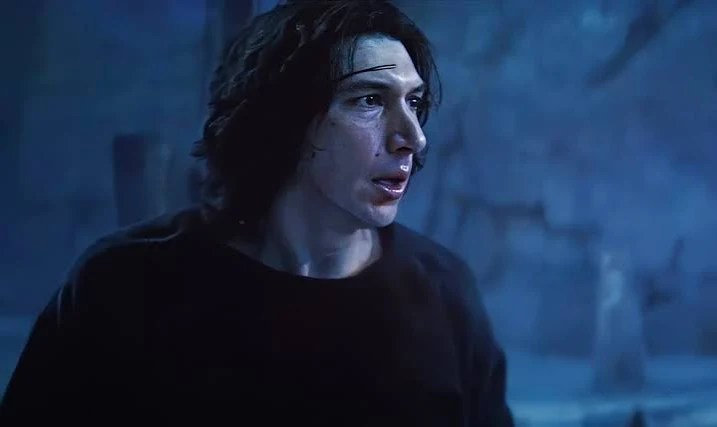
Actor Adam Driver as Ben Solo. Image courtesy of Lucasfilm
The problem with Rise of Skywalker was that it spent so much time trying hard to heal the open wounds: Abrams listened to the extensive criticism thrown at The Last Jedi by a certain faction of vocal hardcore Star Wars fans. While the effectiveness of the “fixes” is debatable, many viewers and critics agree that The Rise of Skywalker response was hurt because of the time spent fixing issues which caused his film to fail in end.
What if, instead, Abrams created a movie that didn’t try to fix everything? What if he had directed the entire trilogy? I guess we’ll never find the answer to those questions.
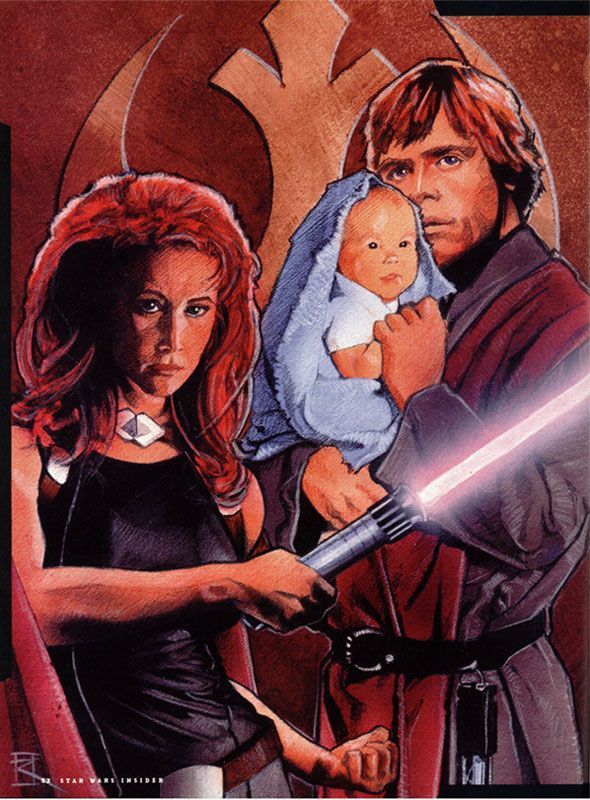
For me, the Sequel Trilogy now lives on in the the Expanded Universe – now Legends – books, which focused on the grandchildren of Anakin Skywalker with indications that they would have followed in the footsteps of the legacy characters. In reality, on screen at least, is we’ll never get to see what George Lucas’s had entended for the continuing adventures of Luke Skywalker, Jedi Knight.
Final Thoughts
My wife, my amazing editor, sees a correlation between Johnson’s portrayal of Luke Skywalker and Obi-Wan in the original Star Wars: they both had seen war firsthand, lived through a betrayal of their perceived protégé, and resigned themselves to a life of solitude and reflection. This is going to be the cause of many debates in our house in the future, I think. Mind you, she’s basing things off of not seeing the sequel trilogy. But that’s a story for another time…
One last thing, while I dont know Rian Johnson personally. I’ll assume it’s safe to say that he’s a nice guy. However, I wish he would admit to the fans that he made mistakes with The Last Jedi and Luke’s Journey. My personal views on this subject are one of disappointment rather than hatred. I myself just wanted to see George’s vision and sadly that will never come to fruition. I now only enjoy The Last Jedi for what it is as it’s part of the Saga. Nothing can change that.
May the Force be with you…

–
Chad Stevens is a freelance writer who has contributed to StarWarsNewsNet.com, Outerplaces. com, Nerdist, and more. Follow me on Twitter @ChadMStevens to talk Star Wars, Star Trek, other films, politics and more.
 Next Level Media Plus | Outerworld and StarWarsGalaxyNews
Leave a comment