

Major cinema chains, including AMC, have continued to argue for a minimum six-week theatrical window
Netflix is reportedly interested in giving a short 17-day theatrical window for Warner Bros. films once it acquires the rights to the studio. The world’s largest streaming platform reportedly prefers shortened runs in cinemas before moving major motion pictures to its streaming service. This move would be significantly shorter than the current industry standard of a six-week minimum.
Major theater chains like AMC, Cinemark, Regal and others throughout the industry have been pushing Netflix to make a real commitment to theatrical exhibition ahead of its acquisition of Warner Bros., but the streamer has been showing signs of experimenting more with theatrical runs of late, rather than providing them with a concrete resolution. As of now, exhibitors are all operating under the presumption that the line must be held at roughly a six-week (45-day) minimum.

Warner Bros. has produced numerous iconic scenes throughout its history of Superman films and animation. Most recently, the 2025 Superman film (released July 11, 2025) has introduced several new memorable moments. Credit: Warner Bros.
According to Deadline, sources are saying that Netflix will eventually move forward with its 17-day theatrical window plan after the Warner deal is complete. However, if this happens, many in the business think it would “steamroll the theatrical business,” as movies would likely see massive falls in box office earnings, not only due to the limited window but also because audiences could choose to wait just over two weeks for a streaming release.
Netflix Co-CEOs Ted Sarandos and Greg Peters have recently spoken out about the tentatively approved deal with Warner Bros. and have stated that they remain “deeply committed” to releasing films for the theatrical experience.
“We’re deeply committed to releasing those movies exactly the way they would release those movies today. The theatrical business — we talked a lot about in the past about wanting to do it, because we’ve never been in that business. When this deal closes, we are in that business. And we’re going to do it.”
Peters and Sarandos have previously insisted that nothing would change if a deal with Warner clears government hurdles and claim they are committed to prioritizing theatrical releases within industry standards.
“There’s been a lot of talk about theatrical distribution, so we want to set the record straight: we are 100% committed to releasing Warner Bros. films in theaters with industry-standard windows.”
But what does the streaming platform consider to be “industry-standard windows”? They haven’t really answered that question, and the comments they’ve given have been very vague.

Recent reports from early January 2026 indicate that a potential deal between Netflix and Warner. could lead to The Lord of the Rings: The Hunt for Gollum having a shortened 17-day theatrical window. Credit Warner Bros.
Of course, it doesn’t help that Sarandos has been notoriously vocal recently and has called the traditional movie theater model “outdated” and “not consumer-friendly,” arguing it’s out of sync with how most people prefer to watch movies, favoring the convenience of home streaming over the limited access and cost of theaters.
Yet still, Sarandos has assured worried parties that the streaming company remains “committed” to releasing movies in theaters. But again, at what capacity?
“We’ve released about 30 films into theaters this year, so it’s not CSS like we have this opposition to movies in theaters,” he said during a call with Wall Street. “My pushback has been mostly in the fact of the long, exclusive windows, which we don’t really think are that consumer friendly.”
At any rate, Deadline’s report doesn’t indicate that Netflix will definitely implement a 17-day theatrical window, but it sounds like it’s certainly something that’s in motion. Peters and Sarandos’ comments simply sound like businessmen doing what they believe is right for their company by pushing for the extinction of theatrical exhibitions and making streaming the only viable movie delivery system.
But the fact is, if this 17 day theatrical window release thing actually happens, filmmakers like James Gunn and Matt Reeves and their studios would see their major releases available for streaming much sooner, potentially affecting artistic control and box office performance. A strong box office performance is critical for greenlighting sequels and building franchises.
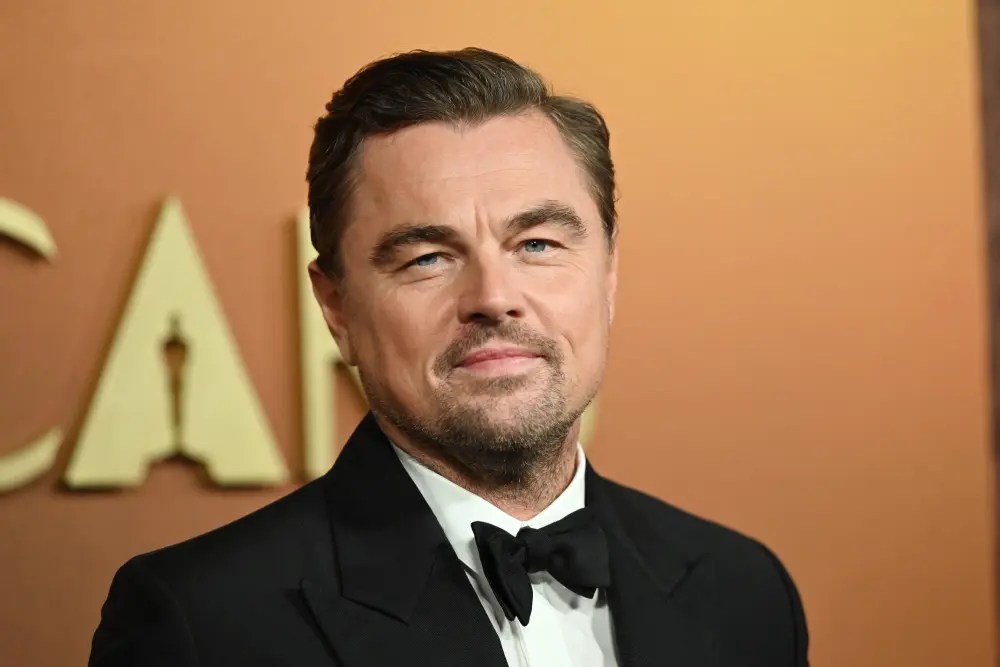
Actor Leonardo Decaprio. Gilbert Flores/Variety
Many actors and directors have chimed in recently sharing their thoughts about the future of moviegoing. Actor/producer Leonardo DiCaprio said this week, while speaking with The Times of London, that he’s not sure if cinemas on a major scale will soon exist and wonders if they’ll become a niche thing sooner rather than later.
“It’s changing at a lightning speed. We’re looking at a huge transition. First, documentaries disappeared from cinemas. Now, dramas only get finite time and people wait to see it on streamers. I don’t know. Do people still have the appetite? Or will cinemas become silos – like jazz bars?
DiCaprio definitely has a point about its future. Imagine a world without theatrical releases and classic films like Star Wars being released today. The shorter theatrical release window would’ve killed the film at the outset. Star Wars likely wouldn’t have become a cultural phenomenon; it would have been a niche sci-fi film, maybe a TV movie or direct-to-video, missing its epic scale, potentially never becoming the cult classic and spawning prequels, sequels, spinoffs, toys, etc.

Some theaters are doing all they can to stay relevant. Central Pennsylvania-based movie theatre just announced it will be unveiling major changes following a $1.5 million renovation. Credit
The outcome of the proposed Warner deal is likely to influence the future balance between streaming platforms and theatrical exhibition. Research from NPR reveals that people need movie theaters for the unmatched immersive experience (huge screen, powerful sound), the communal joy of sharing big moments with strangers, a focused escape from home distractions, and their role in community building and local economies, offering a vital cultural space and jobs. The shared, collective emotional journey and the “event” aspect of cinema remain powerful draws, enhancing films far beyond what home viewing offers.
The controversy about the 17-day window is exposing some raw nerves in the movie business. If this report ends up being the truth, the effect would be devastating. However, filmmakers and other studios may still push back against Netflix as this deal moves forward, and it’s seemingly more difficult to imagine the streamer pulling a major blockbuster from theaters after a few weeks if it’s still raking in cash. It’s important to note that Netflix isn’t the only streaming platform and that this proposal isn’t an end-all yet.
Movie theater chains are fighting back by attempting to make the moviegoers’ experience a special one at the cinema. A Central Pennsylvania-based movie theater just announced it will be unveiling major changes following a $1.5 million renovation.
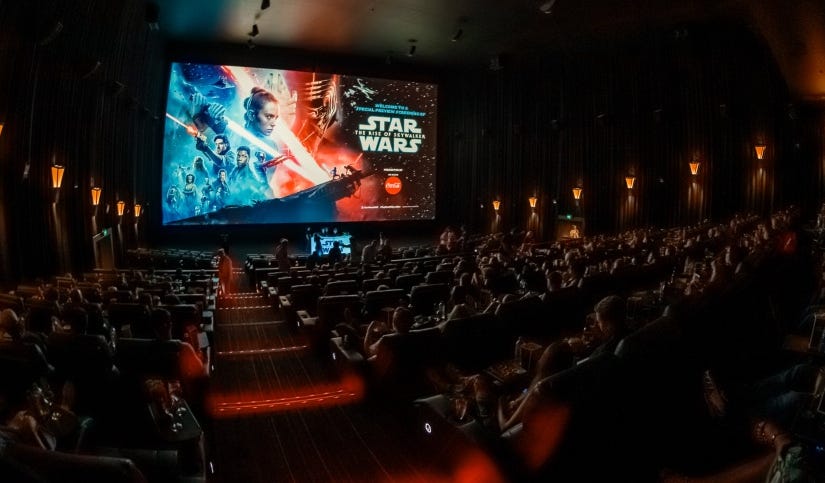
Star Wars: The Force Awakens celebrated its 10th anniversary in December 2025, marking a decade since its 2015 release. Credit: AMC and Lucasfilm
The Penn Cinema, located at 541 Airport Road in Lititz, Lancaster County, just announced that it will be unveiling its newly renovated lobby and full-service bar later this week on Wednesday, June 25.
“This bar truly completes the moviegoing experience,” said Penn Cinema Partner Jonathan Byler. “Movies are one of the last great shared experiences in our communities, and we are proud to add this world-class amenity for our guests.”
I’ll keep you updated as further information becomes available. Until then, may the Force be with you….
 Next Level Media Plus | Outerworld and StarWarsGalaxyNews
Leave a comment